Rocket Labs Venus Life Finder Mission Template
0

About the Template
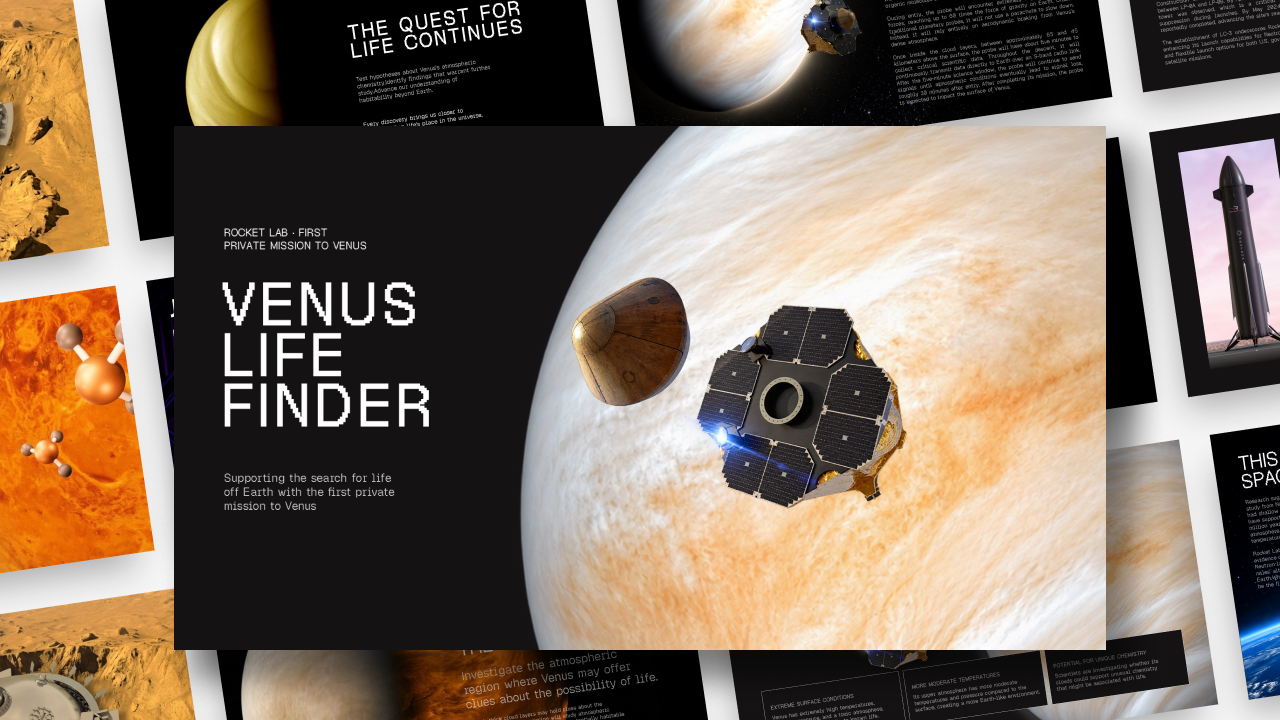
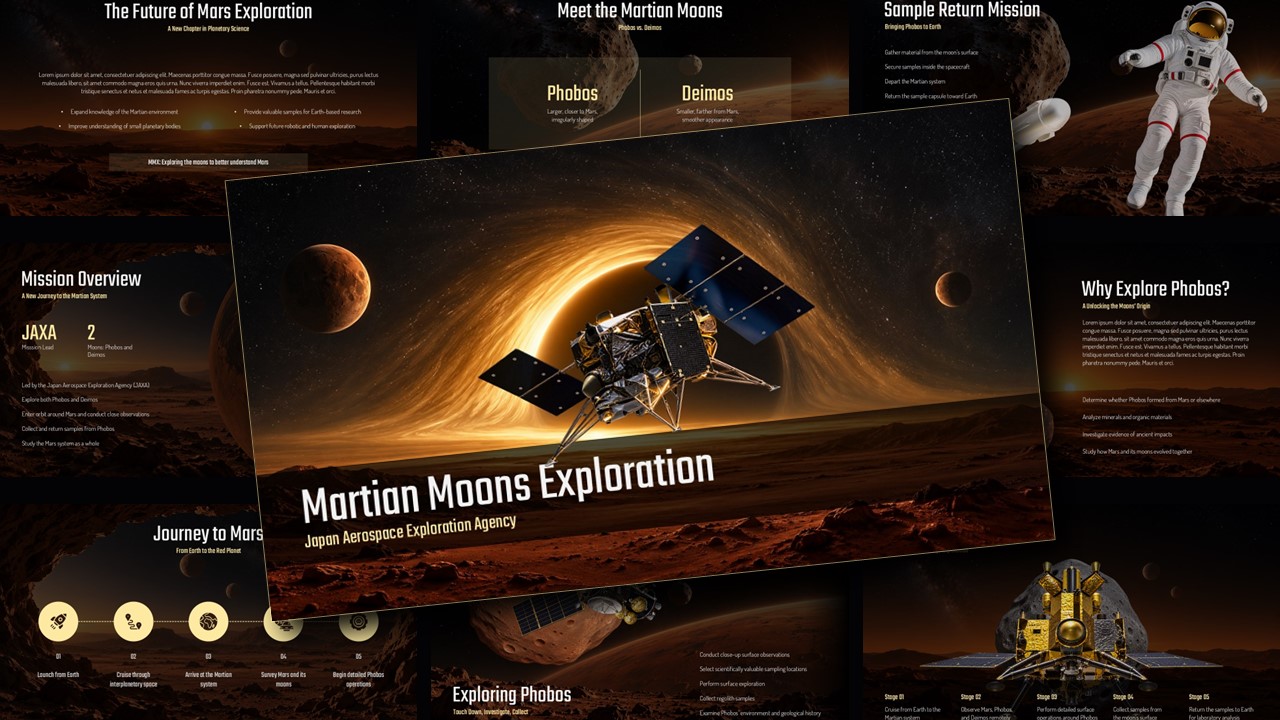
Rocket Lab Venus Life Finder Presentation Template: The First Private Mission to Venus
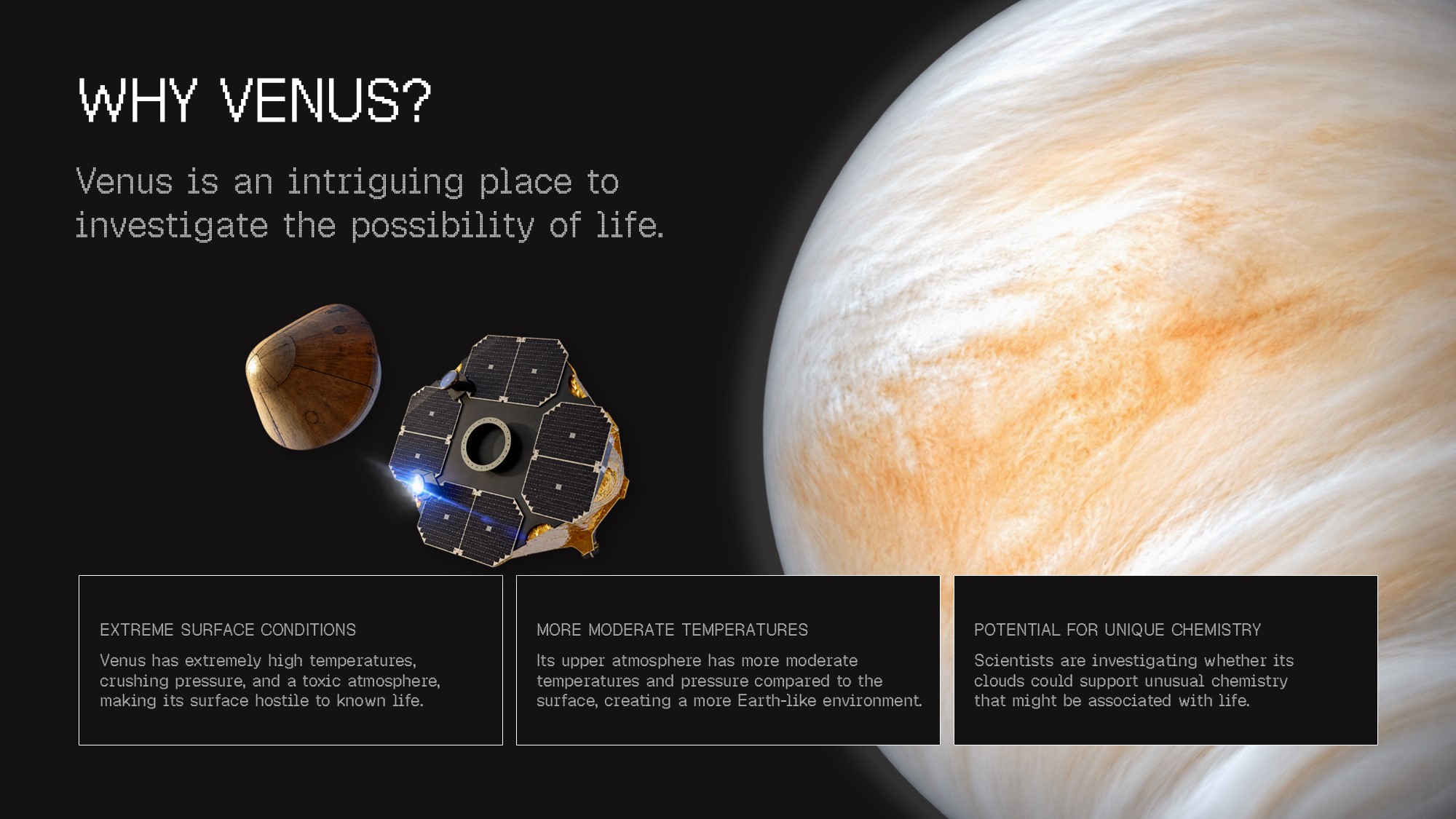
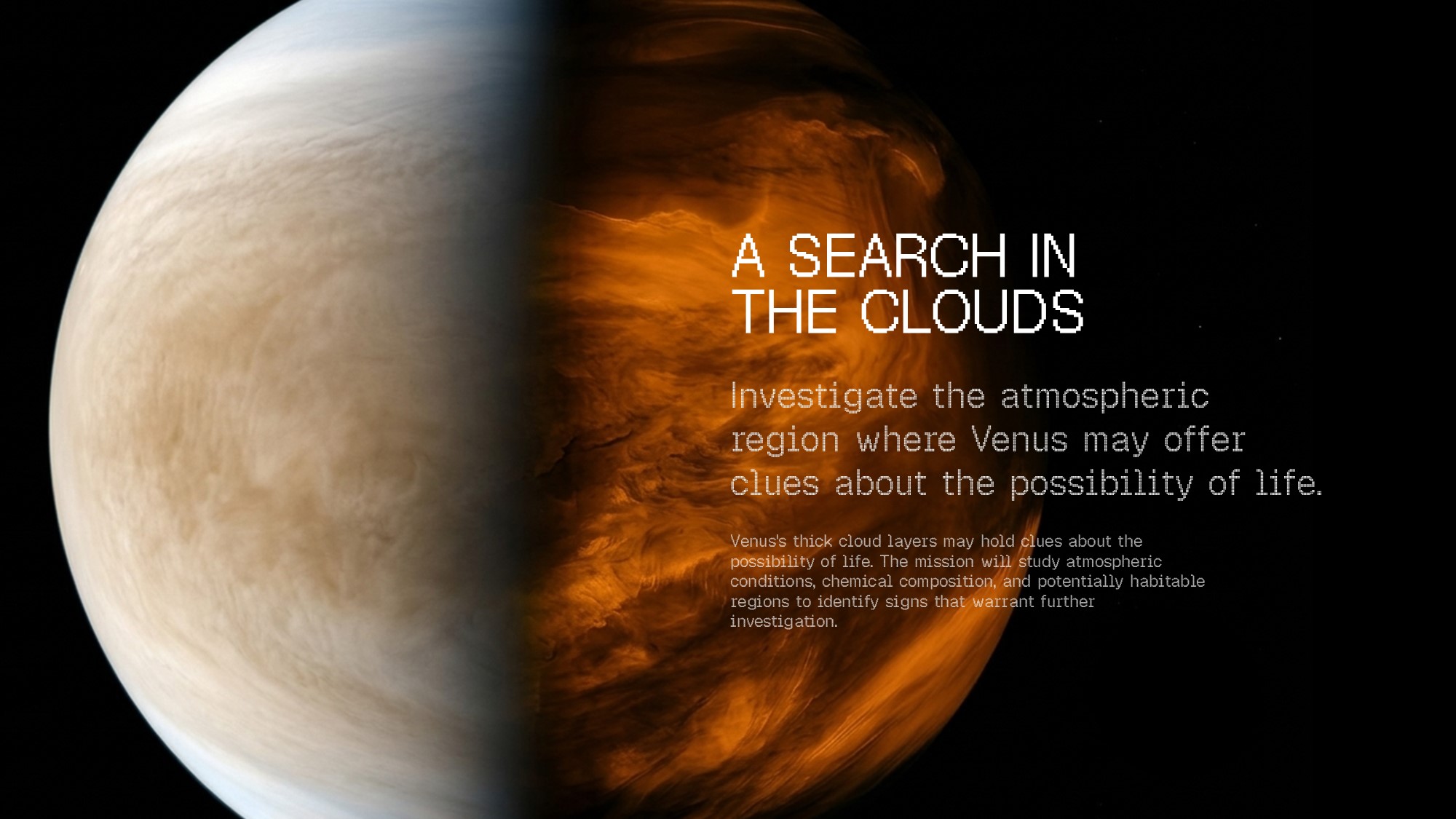
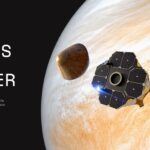
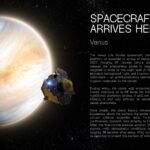
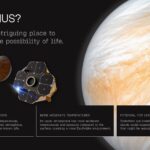
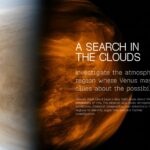
Most people picture Venus as a scorching, volcanic wasteland where surface temperatures surpass 900°F (500°C) under crushing atmospheric pressure. Yet, thirty miles above that hostile ground lies a temperate cloud layer where conditions remarkably mirror Earth’s—sparking one of modern astrobiology’s boldest questions: could microbial life be floating in the Venusian sky? Our Rocket Lab Venus Life Finder Presentation Template captures the thrill of this historic interplanetary pursuit. Built with a deep-space black canvas, glowing golden-amber planetary renders, and sharp retro-futuristic pixel typography, this slide deck gives aerospace educators, science communicators, and space enthusiasts a cinematic framework to present the first privately funded mission to Earth’s mysterious sister planet.
Inside the Mission: Hunting for Biosignatures in the Clouds
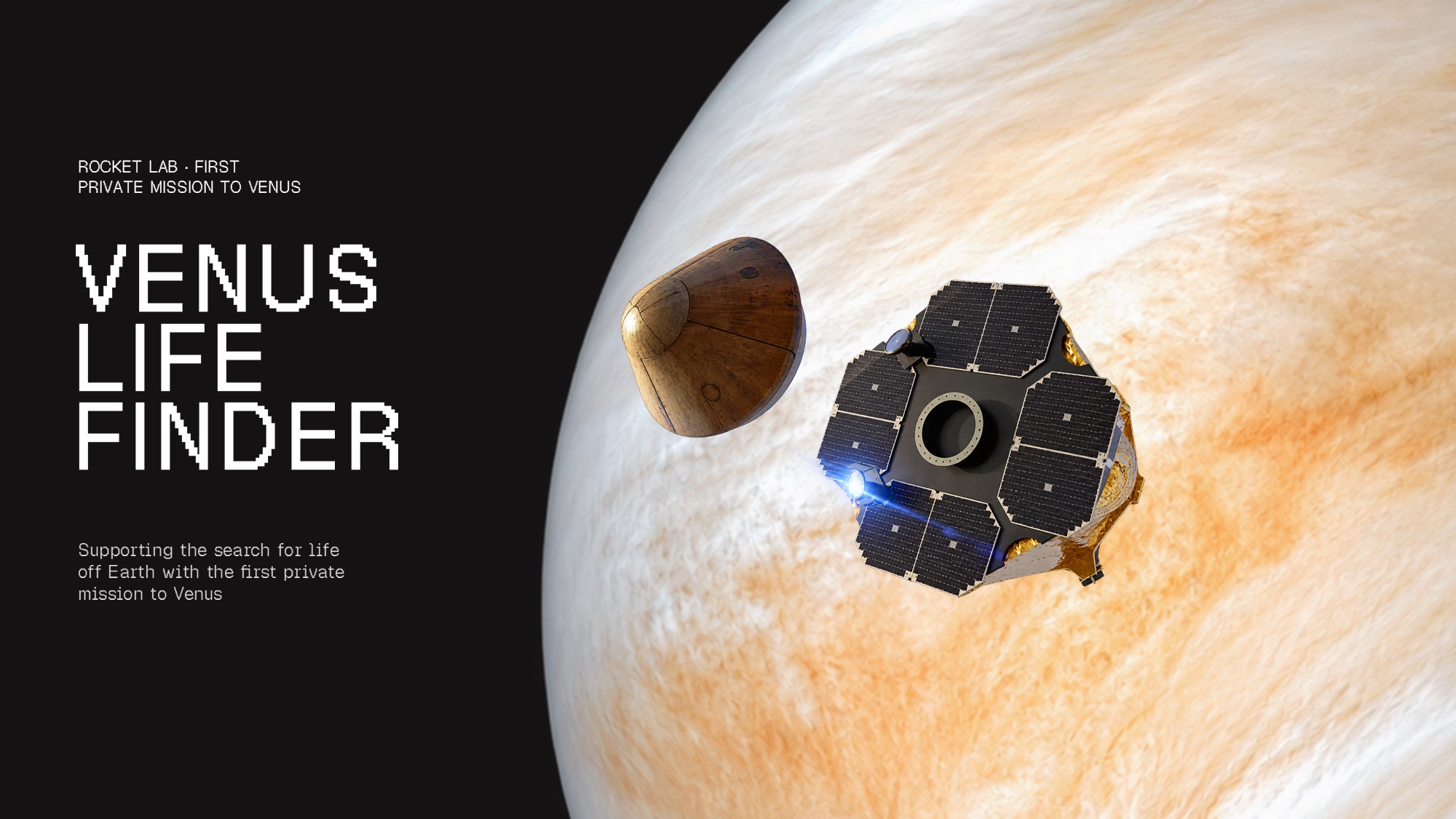
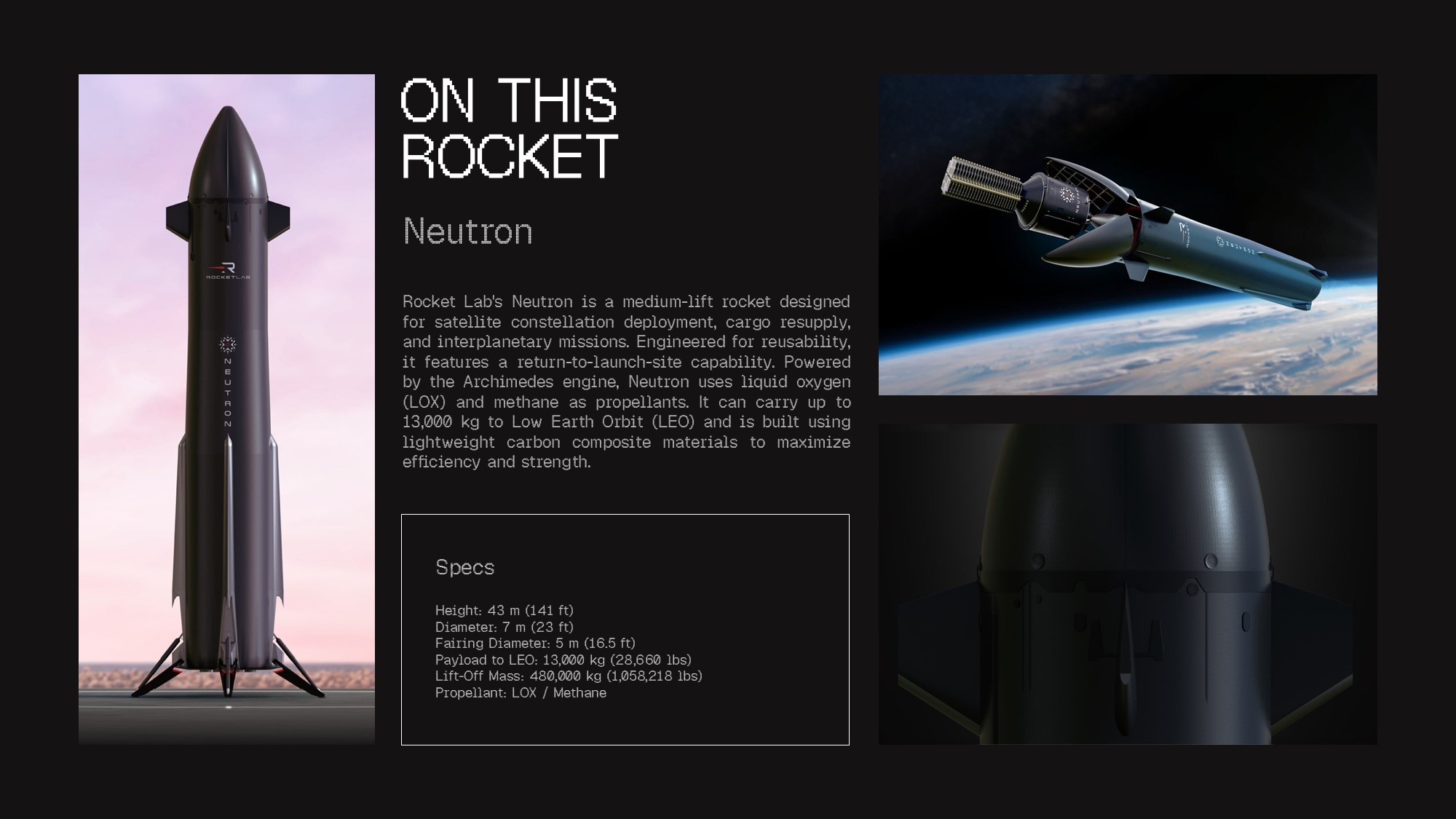
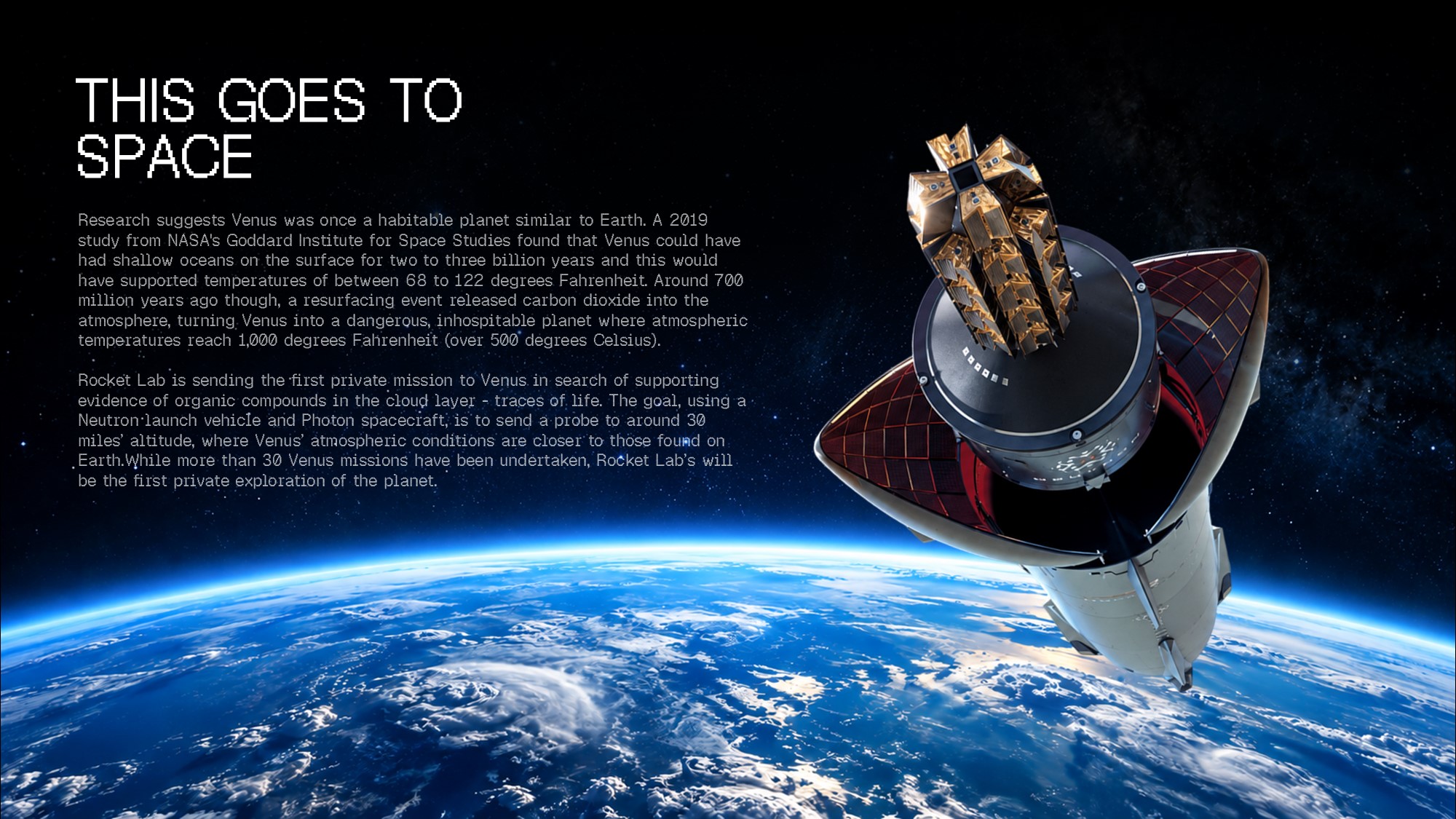
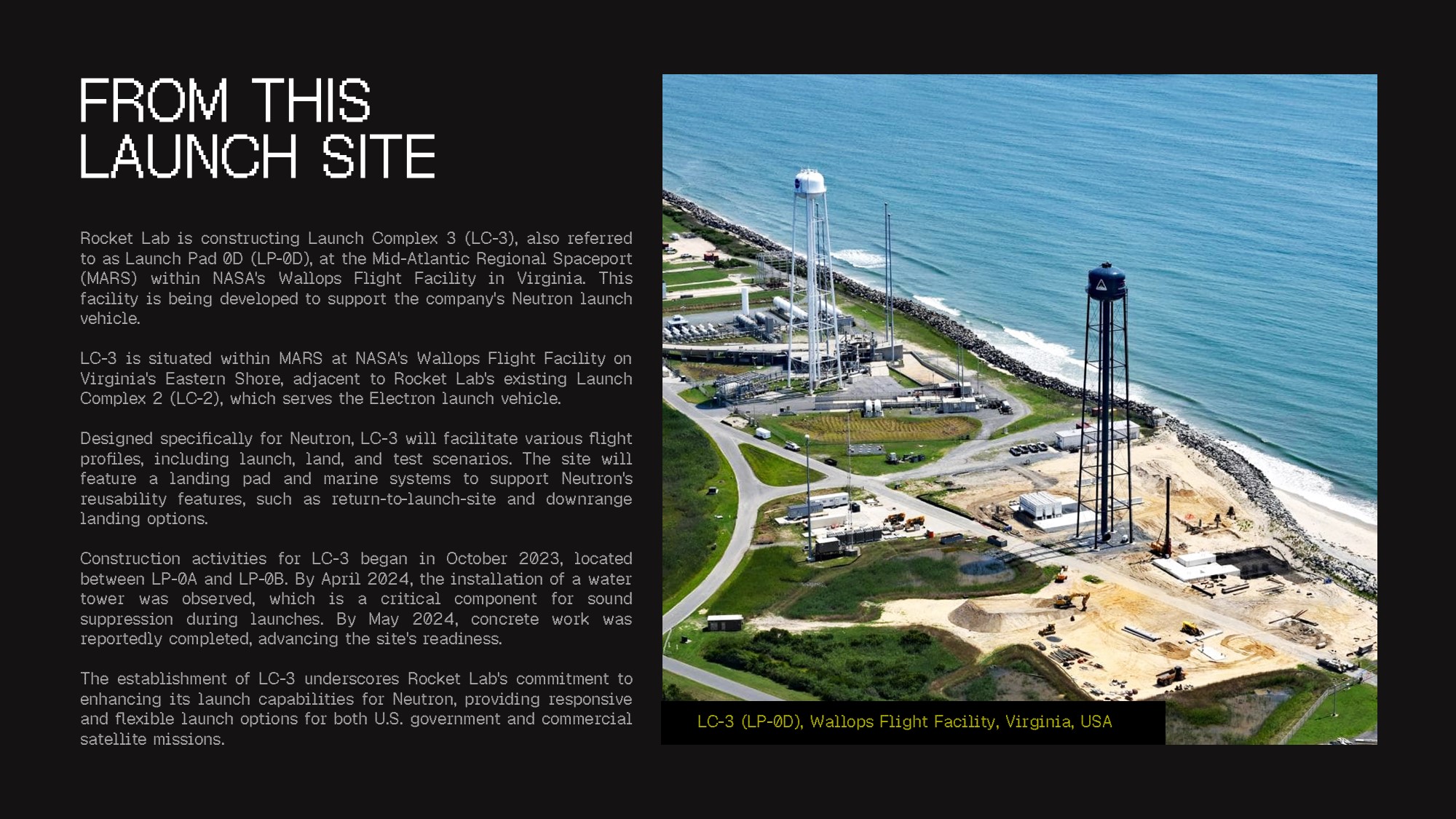
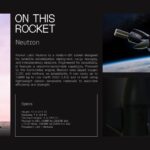
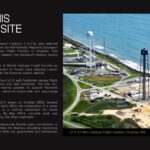
Developed in collaboration between Rocket Lab and a team of researchers led by MIT (as the inaugural flight of the Morning Star Missions program), the Venus Life Finder rewrites the playbook for low-cost, high-impact planetary exploration. Rather than waiting decades for billion-dollar flagship agency programs, this agile mission utilizes Rocket Lab’s reusable medium-lift Neutron rocket—launching from Launch Complex 3 (LC-3) at Virginia’s Wallops Flight Facility—paired with a high-energy Photon spacecraft bus to deliver a compact, 17 kg conical probe directly to Venus.
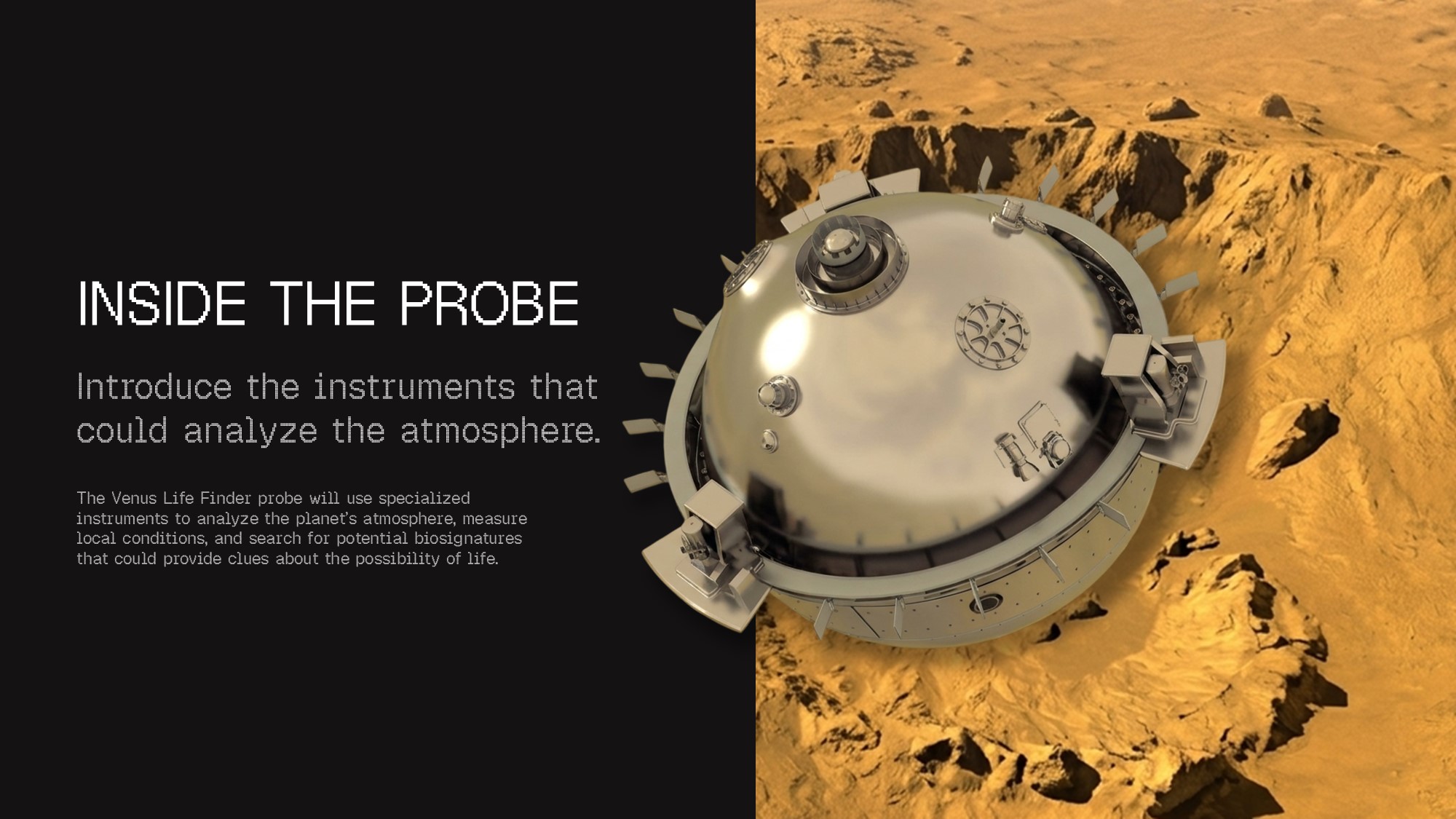
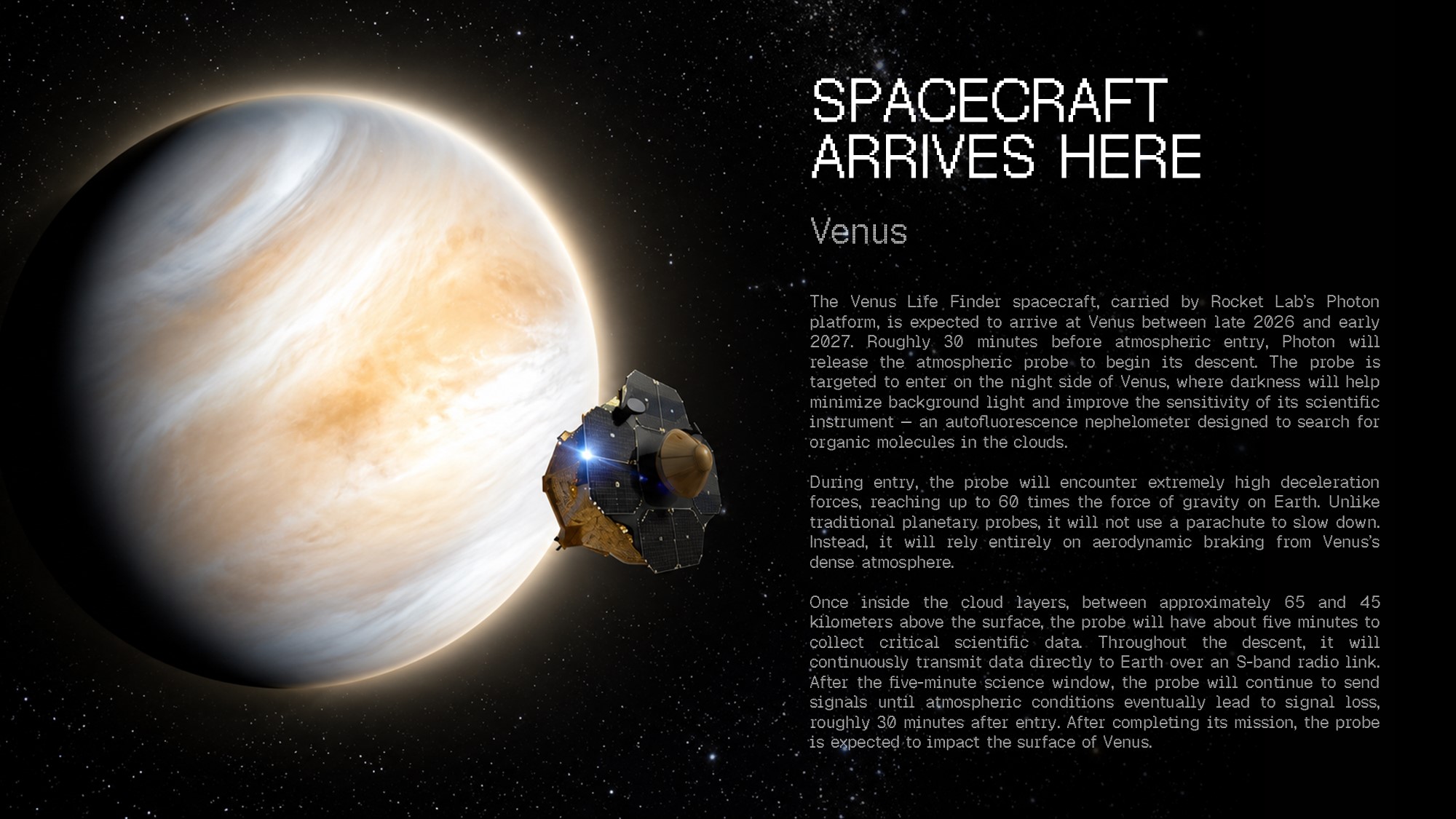
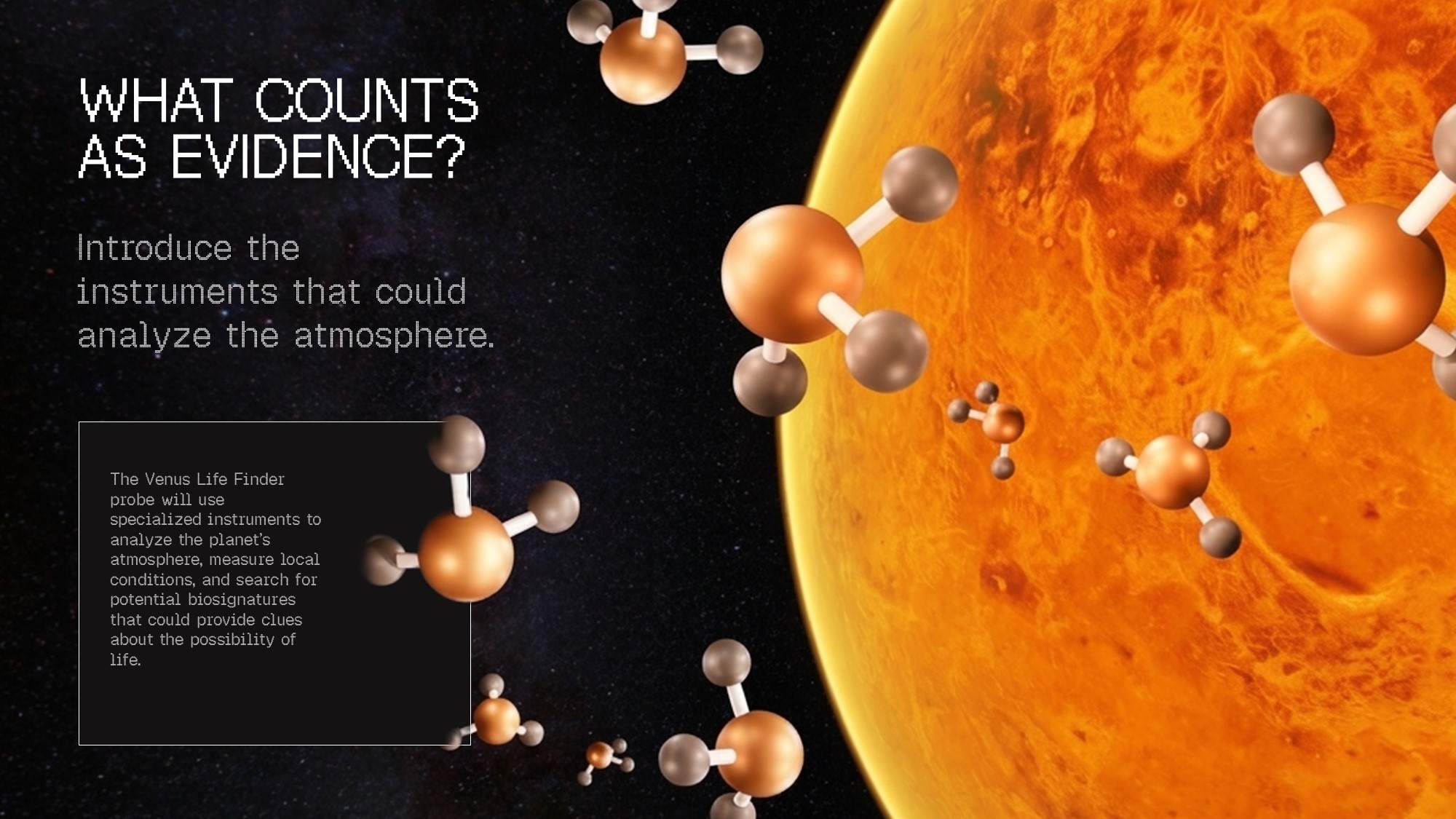
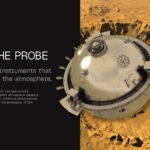
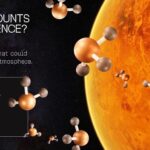
Thirty minutes prior to entry, the Photon carrier releases the probe into the planet’s nightside atmosphere. Skipping traditional parachutes, the craft relies entirely on aerodynamic braking, enduring extreme deceleration forces up to 60 Gs. As it plunges through the sulfuric acid cloud deck between 65 and 45 kilometers altitude, the probe has a critical five-minute science window. Using a specialized 1 kg laser instrument called an Autofluorescence Nephelometer (AFN), it shines a ultraviolet laser through a sapphire window into the clouds to induce fluorescence in organic molecules, measure particle shapes, and transmit real-time biosignature data via S-band radio before descending toward the surface.
This space presentation deck is tailored for university astronomy and astrobiology lectures, aerospace engineering briefings on small-sat interplanetary trajectories, STEM classroom modules, and space-tech media commentary. Ultimately, explaining the intersection of commercial rocket engineering and the search for extraterrestrial life requires visuals that match the audacity of the science. This template equips presenters with a clear, scientifically grounded narrative that turns complex atmospheric chemistry and orbital mechanics into an unforgettable visual journey.


Related
Are you looking for Custom Presentation Template Designs?
It is a long established fact that a reader will be distracted by the readable content of a page when or randomised words which don’t look even slightly believable